

Sustainable Surf Gear Design
Introduction
Surf gear has a problem: it’s gloriously functional and often brutally petroleum-based. From PU (polyurethane) and EPS (expanded polystyrene) blanks to polyester and epoxy resins, the little ecological cost of a single shortboard can be surprisingly large – both in carbon and toxic emissions.
But change is happening: new cores, recycled plastics, plant-based resins, and even natural laminates are emerging. The question isn’t just what works – it’s what we’re willing to accept in terms of performance, cost, and end-of-life responsibility.
A lifecycle analysis from the ECOBOARD Project shows that switching to approved bio-resins and recycled EPS cores can reduce a board’s carbon footprint significantly (around 30% in their tested configs). That doesn’t make the problem disappear, but it proves that material choices matter at scale.
Materials at a glance – pros, cons & the tricky bits
1. Polyurethane (PU) + polyester glassing
Pros: familiar shaping feel; traditional flex/weight; many shapers prefer this for performance.
Cons: PU foam and polyester resins are petroleum products and can emit carcinogenic chemicals during shaping and glassing; disposal is problematic. Lifecycle studies put traditional polyester/PU production emissions in the hundreds of pounds of CO₂ per board.
2. EPS (expanded polystyrene) + epoxy
Pros: often lighter and can pair with epoxy resin (less toxic during lamination); widely used in modern eco-board prototypes.
Cons: EPS production is fossil-fuel reliant; quality varies; recycling infrastructure for EPS blanks is limited but improving in places. The ECOBOARD LCA found meaningful reductions when combining recycled EPS blanks with bio-epoxy.
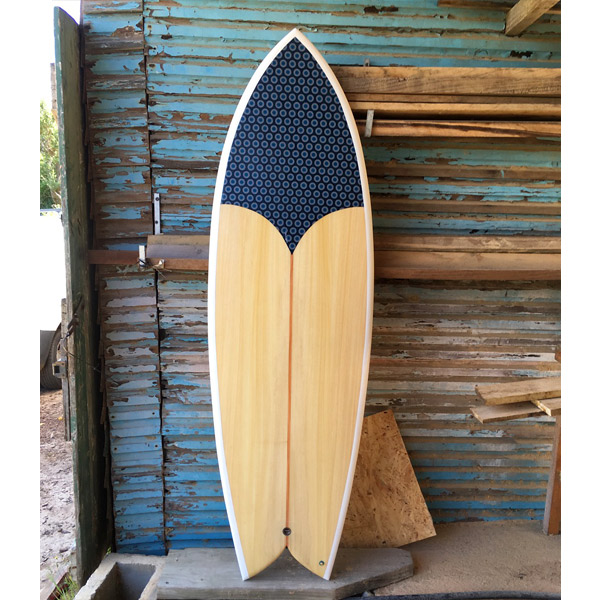
3. Alternative cores (recycled plastics, cork, wood, cork-composites, bio-foams)
Pros: reduce virgin fossil inputs; can be sourced from waste streams (e.g., recycled fishing nets into plastics). Brands and makers experiment with cork, sustainable woods, and reclaimed materials that can lengthen board lifetime.
Cons: often more expensive, sometimes heavier or different-feeling; scaling remains the challenge. Innovations like recycled NetPlus pellets from fishing nets show promise for certain parts (deck inserts, fins, accessories), but full blanks are still emergent.
4. Resins: polyester vs. epoxy vs. bio-epoxy
Polyester resin is cheap and traditional but emits more hazardous VOCs. Epoxy is often stronger and, when paired with EPS, can reduce emissions and dangerous emissions during glassing. Bio-epoxy formulations (part plant-based) exist and the ECOBOARD LCA found they can reduce carbon and health impacts when used correctly.
5. Laminates and novel ideas (natural fibres, wool, merino, hemp)
Pros: lower embodied fossil carbon; sometimes compostable or more easily disposed of. Firewire experimented with merino wool laminates and other brands use hemp or flax textiles to replace fiberglass in places. These can change board flex and durability; they also open circular end-of-life options.
Trade-offs: performance, cost, and scale
Performance: Many eco materials now match performance for most surfers, but elite shortboard dialling sometimes still favours traditional PU/polyester set-ups. For many users, boards made with EPS + epoxy or modern composite cores feel indistinguishable in everyday waves.
Cost: Sustainable materials and small-batch production often cost more — both in raw materials and labour. That drives a market split: boutique eco-boards vs. mass-market petroleum boards.
Scale: A single eco board is good, but systemic change needs supply chains that can deliver recycled cores, certified bio-resins, and recycling programs at volume. Initiatives like Bureo’s NetPlus prove that circular feedstocks are possible for some parts; blank manufacturers and large brands are experimenting too.
Wax: tiny tub, outsized impact
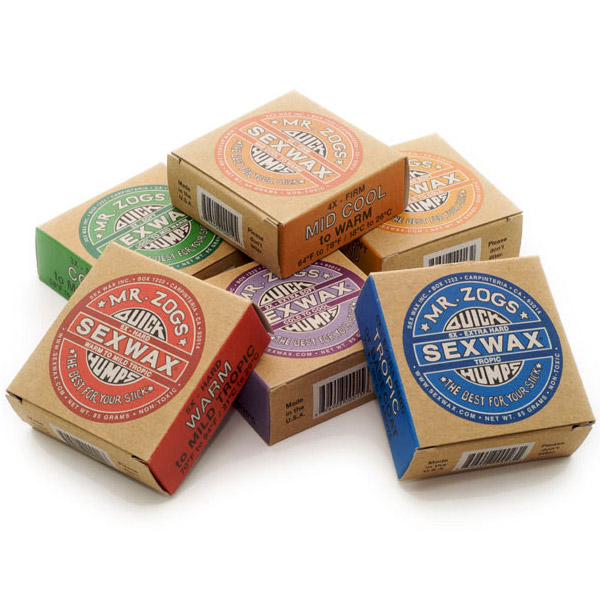
Wax is a small item with big material choices. Traditional wax often contains petroleum jelly and microplastics; eco waxes use plant-based waxes and biodegradable bases. Biodegradable waxes are not a perfect panacea (they still wear off into water), but they’re a straightforward swap that reduces petrochemical input at low cost. Brands and makers are improving formulas that still grip in cold water.
The heirloom idea
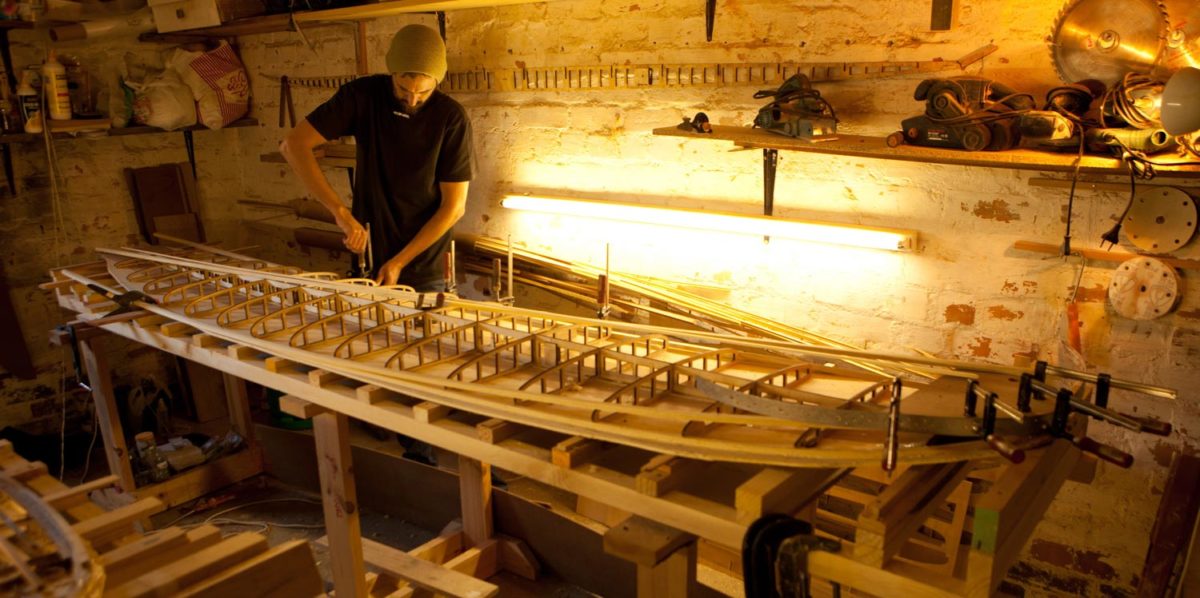
Danny Hess (San Francisco) has been a useful touchstone in the eco-shaping conversation: building boards that are intentionally durable, made from salvaged woods and natural finishes, Hess frames sustainability as “buy once, keep forever.” That idea reframes the problem: rather than chasing perfect bio-materials, what if the cultural norm shifted toward durable, repairable, passed-down boards? The practice reduces turnover and waste in a way materials swaps alone cannot. His work shows how craft, local sourcing, and lifespan design can combine with ecological intent.
Across the industry, brands like Firewire have taken a different but complementary route: investing in new cores and laminates (LFT, Helium, etc.) to get better performance with lower embodied costs and to push suppliers toward greener inputs. Both approaches matter — the artisan route and the industrial route.
Closing thoughts
Success isn’t one technology beating another. It’s a set of parallel wins: lower-carbon blanks and resins where they make sense; longer board lifetimes; fewer boards in landfill; thriving local repair economies; and feedstocks diverted from the ocean to useful products. Measuring success means sharing clear numbers (materials used, boards repaired, waste diverted) and being honest when a solution trades one problem for another.
Materials, prototypes, and the trade-offs of eco-friendly boards and wax
Industry and Planet
The question isn’t just what works — it’s what we’re willing to accept in terms of performance, cost, and end-of-life responsibility.






 Shopping Cart