The Return of the Seal
Introduction
They call them the old men of the sea — sleek, whiskered, and endlessly curious. Once nearly absent from many parts of the South African coastline, seals are returning in greater numbers. To some, they’re a sign of a recovering ecosystem; to others, they’re competitors for fish.
Ask any fisher along the Cape coast and you’ll get a story — usually told with a smile, a shrug, or a curse carried off by the wind.
This project listens to those voices — the fishers, the divers, the scientists — and traces the shifting relationship between people and seals along our shores.
Where the Seals Came Back
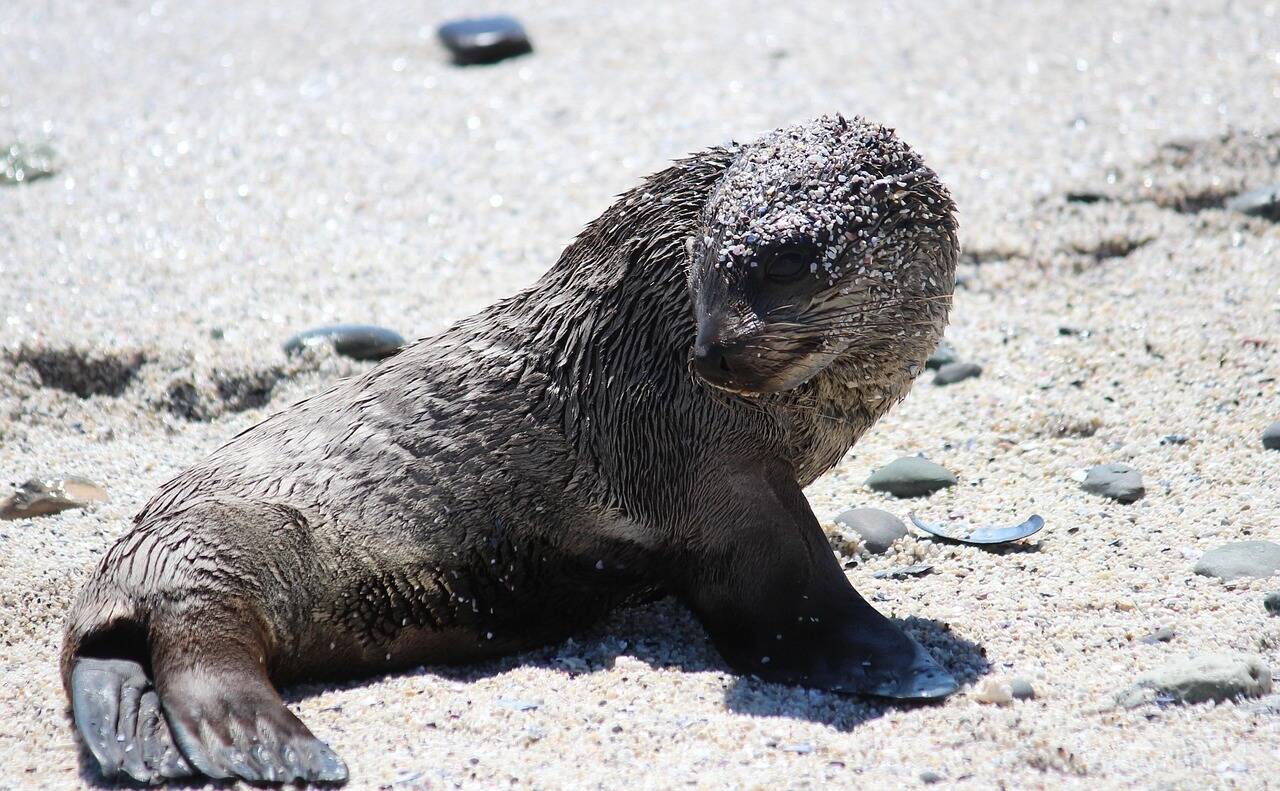
The Cape fur seal (Arctocephalus pusillus pusillus) is a species unique to southern Africa. Once hunted heavily for their pelts and oil, their populations crashed through the early 1900s. By the late 20th century, protective laws and marine reserves gave them a fighting chance.
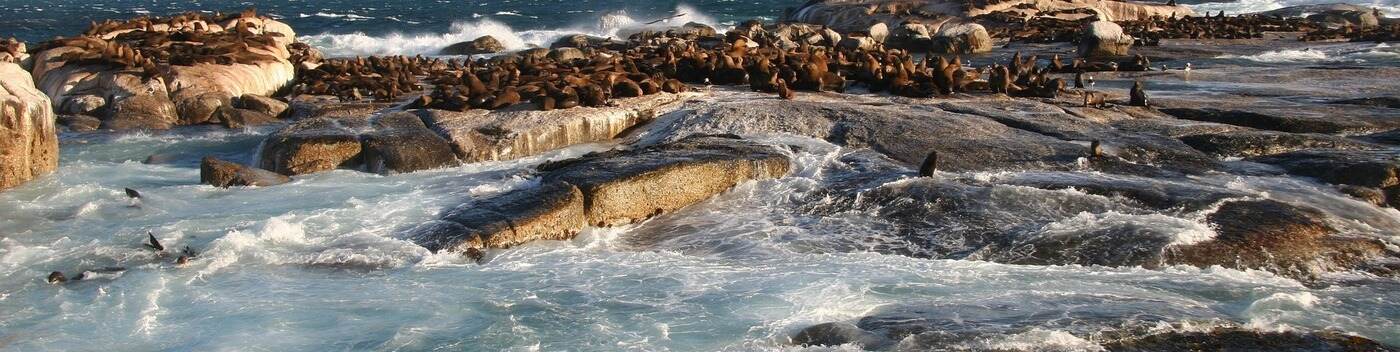
Now, colonies stretch from the Cape Peninsula up to Namibia, with smaller groups reclaiming islands and rocky points long left empty. Hout Bay, Robberg, Dyer Island, and Kleinzee have all seen seal numbers rebound — a living symbol of what happens when humans step back for a moment and the ocean heals itself.
But with recovery comes new friction. Fisherfolk say the seals have grown bold — stealing bait, tearing nets, even following small boats out to sea like playful pirates.
A Story from the Harbour
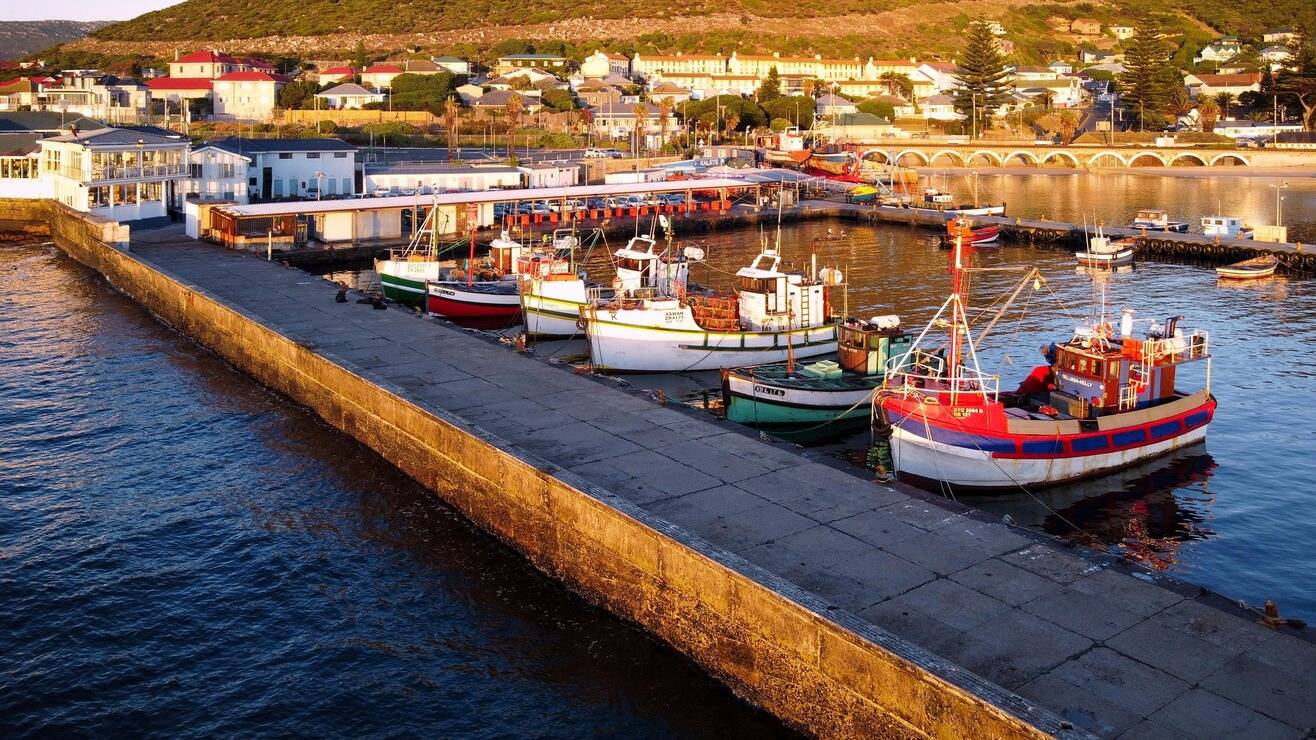
Simon’s Town, early morning.
The sun isn’t up yet. You can smell diesel, salt, and bait in the air. The small-boat fishers are already moving, ropes creaking, coffee steaming from enamel mugs.
“See that one?” laughs Dawid, a fourth-generation line fisherman pointing toward a sleek head bobbing near the quay. “That’s Jacob. He knows every boat here. If you leave your bait bucket open, it’s gone. Just gone.”
The others nod, half amused, half exasperated. They tell stories of seals that follow their boats out past Cape Point, waiting for an easy snack — and of nets shredded in minutes by an animal that seems to know exactly where the fish are.
But then Dawid shrugs. “They were here before us. We just borrowed the place.”
That line sticks — a simple truth echoed up and down the coast.
The Science Behind the Stories
Marine biologists confirm that the seal population boom isn’t random. It’s linked to improved breeding conditions, fewer direct threats, and more abundant fish near protected areas.
Still, scientists acknowledge what the fishers see: where human fishing zones overlap with seal foraging areas, tension rises.
The seals aren’t villains — they’re opportunists, adapting to a coast reshaped by humans. As Dr. Nolitha Maseko, a marine ecologist from Cape Town University, puts it:
“Every seal conflict tells us something about balance — not just between species, but between ways of life. Conservation means conversation.”
Cultural and Ecological Perspectives
In many coastal communities, seals occupy a strange middle ground: respected, mischievous, sacred, and frustrating all at once.
In the Cape: seals are both local mascots and “thieves,” blamed for taking fish from hard-working crews.
In Namibia: the Cape Cross colony draws tourists by the thousands, while local debates over culling policies continue.
In Mozambique and Angola: small populations are slowly reappearing — symbols of hope for marine biodiversity that could inspire eco-tourism and local stewardship.
These are stories not of conflict, but of coexistence — of learning how to share the same sea again.
The Balance We’re All Learning
The seal’s return reminds us that conservation is messy, human, and ongoing. When an animal comes back, it changes the old rhythm. It forces new choices — about fishing limits, about tourism, about empathy.
The fishers, despite their frustrations, know the truth. When seals vanish, something in the ocean’s pulse goes quiet.
When they return, it means there’s still life left to share.
Stories to Come
This is the first in a series on “People and the Sea”, exploring the living ties between South African coastal culture and the creatures we share it with. Upcoming stories will include:
“The Ghost Nets of Lüderitz” — Namibia’s lost gear and the divers who clean it.
“Mozambique’s Gentle Hunters” — fishers and dolphins in quiet partnership.
“Angola’s Empty Shoreline” — a look at what happens when the seals don’t return.
Follow along — more tales will be washing up soon on Stoked 🙂
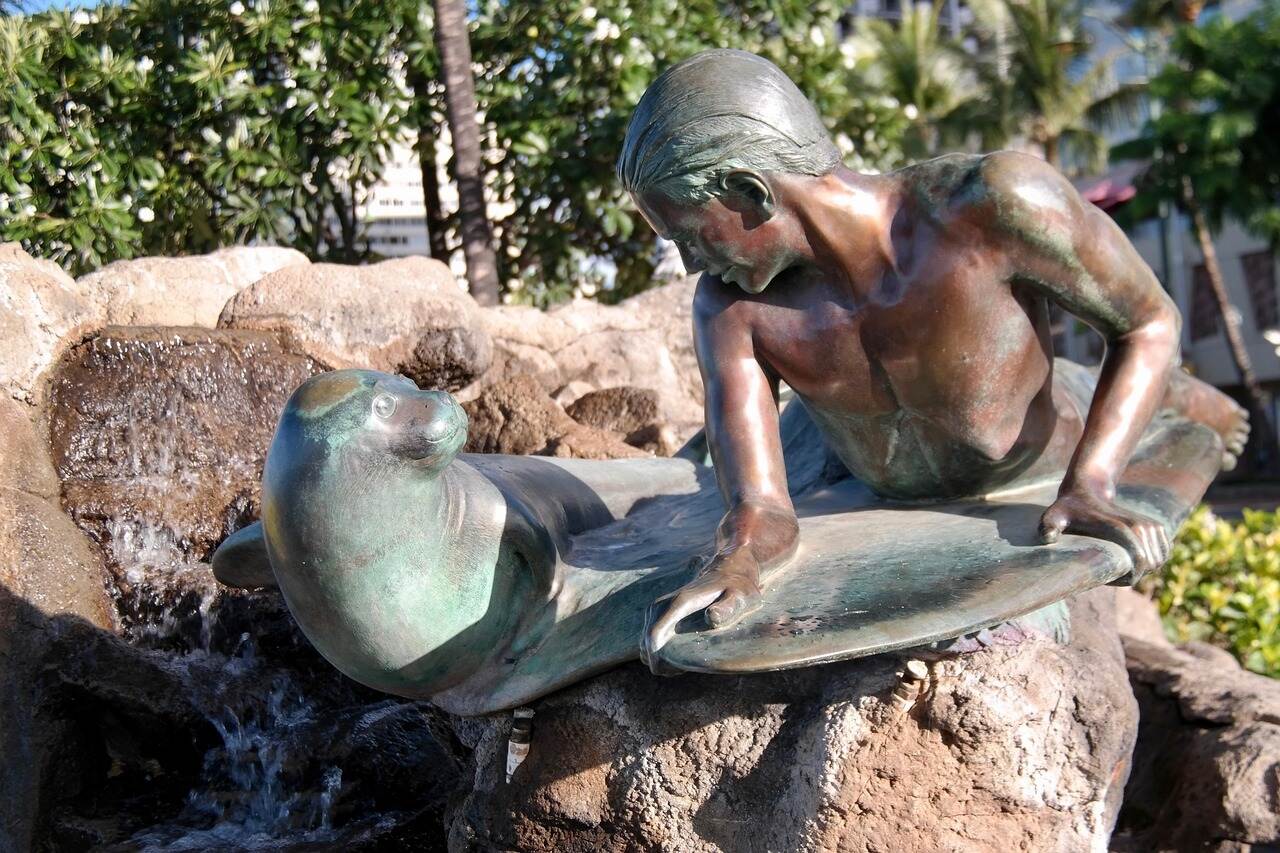
The Return of the Seal: Stories from the Fisherfolk
People and the Sea
Once hunted heavily for their pelts and oil, their populations crashed through the early 1900s. By the late 20th century, protective laws and marine reserves gave them a fighting chance.





 Shopping Cart