

There’s something ineffably fun about longboarding. It isn’t just the glide or the nose ride; it’s how a longboard makes time feel different – cruising. Where shortboard surfing can be like karate, longboarding is more like tai chi on water.
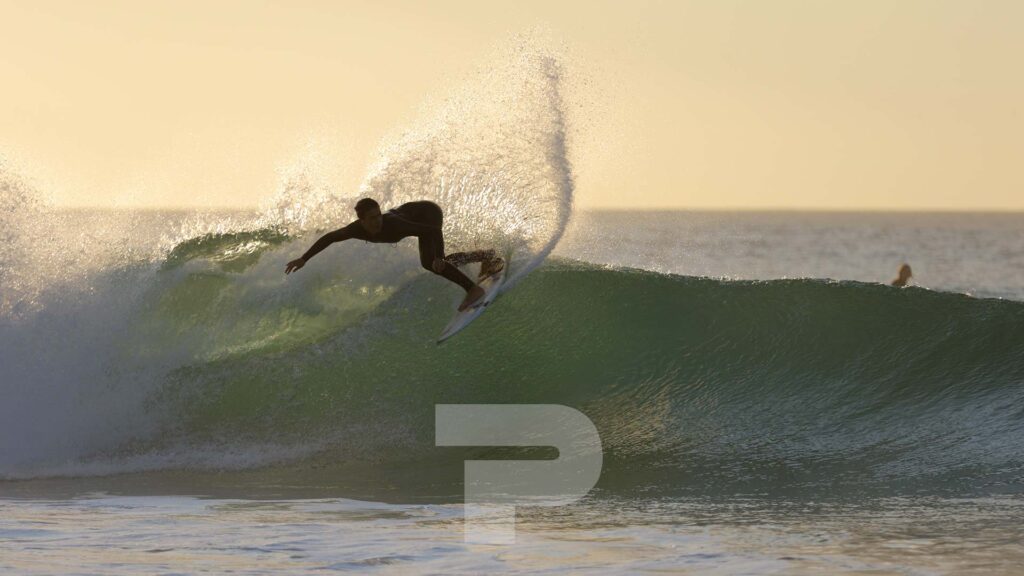
South Africa has a longboard culture that blends classic, traditional longboard surfing with high performance, which is food for an ongoing debate 😉
From the mellow sandbars of The Berg (Muizenberg) to long point breaks on the Garden Route and the Eastern Cape, our coastline gives longboarders room to breathe and express. And we’ve produced champions who carry that style onto the world stage – notably Simone Robb, who won the ISA World Longboard title in 2013, bringing a spotlight to SA longboarding excellence.
1. What longboarding is (and what it isn’t)
Longboarding is a practice of options. Yes, there are nose rides and drop-knees and hanging tens, but longboarding is also about getting pitted, committed roundhouse cutbacks and other more shortboard type surfing… the choices you make while reading a wave, on the choice of board you made 🙂
A few things that distinguish it:
* Board length & volume – glide, paddle speed on a 9′ plus single-fin (traditional)
* Style over aggression – smooth lines and transitions vs. high-impact manoeuvres (exceptions abound)
* Musical timing – the dance – the accents, trimming, the moment you walk to the nose, what happens next…
* Versatility – a longboard can cruise a tiny wave, be paddled into a 10 footer, negotiate slabs like Backdoor and more
2. Why South African waves love longboards
Our coastline is blessed with a variety of setups that suit longboarding:
* Sandbars and river mouths – these often create softer, slower peeling waves.
* Point breaks – when a long-period swell wraps into a point, it can deliver long, perfect walls.
* Protected bays – mornings frequently bring glassy conditions to sheltered areas.
In short: South Africa’s mix of sand, reef and point breaks gives riders options.
3. The style code: what makes a longboarder look good
A stylistic distinction of longboarding is that technique and aesthetics are deeply linked. Here are the essentials:
* Trimming: Keep the board moving down the line without rushing. Use subtle weight shifts and foot placement to hold speed.
* Nose work: Walk gently, keep your centre of gravity low, and choose the moment to get forward. True noseriding is about timing the wave’s energy with your walk.
* Drop-knees & pivots: Low, graceful turns are often more impressive than hard carves. The classic pivot (stall and kick the tail to spin the board) is an instant crowd favourite.
* Flow: Link moves without stopping the board’s energy. Every pause is a potential loss of momentum – or an artistic beat, if executed well.
Longboarding’s style is as much a social language as a technical skill: it says you value the ride itself!
4. Gear & setup
If you’re shopping for a longboard, here’s some stuff to think about:
* Shape: Classic round-nose single fin for vintage style; 2+1 setups for a mix of stability and manoeuvrability.
* Length & volume: For most adult intermediates, 9’0”–9’6” is a sweet zone.
* Fin setup: Single fins are forgiving and classic; 2+1 gives more hold and drive without losing too much log feel.
* Materials: Epoxy hybrids offer lighter, stronger boards and are increasingly common.
Shop tip: Rent different longboard shapes before you commit – the difference between a “true log” and a performance longboard can be extreme, and subtleties abound.
5. Technique clinic: three simple drills
1. Trim drill: Paddle into small, clean waves and practice staying in one trim position for the whole ride. Focus on subtle micro-adjustments.
2. Nose-walk progression: Start by moving one foot forward, then two, always at gentle speed. Practice on smaller, forgiving waves.
3. Pivot pop: Learn to stall slightly, plant the back foot pressure and pivot; begin on wider boards until you’re confident.
These drills build balance, timing and the intuitive feel. Using a balance board helps a lot too.
6. The community & competition: why contests matter (but not too much)
Longboarding competitions – local club events, the WSL speciality contests, and ISA Worlds – keep the community linked and the craft advancing. They also provide a platform for style to be judged, preserved and evolved.
Simone Robb’s ISA success in 2013 shows how South African longboarders can compete on the world stage, and how a country’s surf culture can be both local and global at once. Her victory helped inspire a generation of riders and raised the profile of longboarding in SA. ([ISA World Longboard Championship][1])
But remember: competition is only one expression. Much of longboarding’s heart lives in early-morning sessions, club socials, surfing with friends, the shared thrill of making small improvements to one’s gig, surfing alone, traveling… the list goes on!
7. Why longboarding endures
Longboarding persists because it connects surfing to play, art and community. It slows things down in a world that prizes speed. It allows surfers of many ages and bodies to enjoy rewarding rides.
But the waves that favour longboarding are sometimes fragile. Changes to sandbanks, coastal development, and pollution can easily alter a wave’s shape or one’s health if unlucky. Supporting local conservation efforts and treating breaks with respect helps keep longboarding alive for future generations.
8. Final thoughts
Whether you’re chasing your first noseride, refining a pivot, or just enjoying the glide, longboarding offers something elemental: connection to the water and to other surfers. In South Africa we’re lucky – our coastline has plenty of space to share good waves. Celebrate them and support the people and groups working to protect these coasts.
And next time you see a photo of Simone Robb – or watch a clip of her classic style – remember it’s not just a champ you’re looking at: she’s a product of her environment… a warm, vibrant crew in a surf town down south. Coming soon: Matt Moir’s longboarding style.
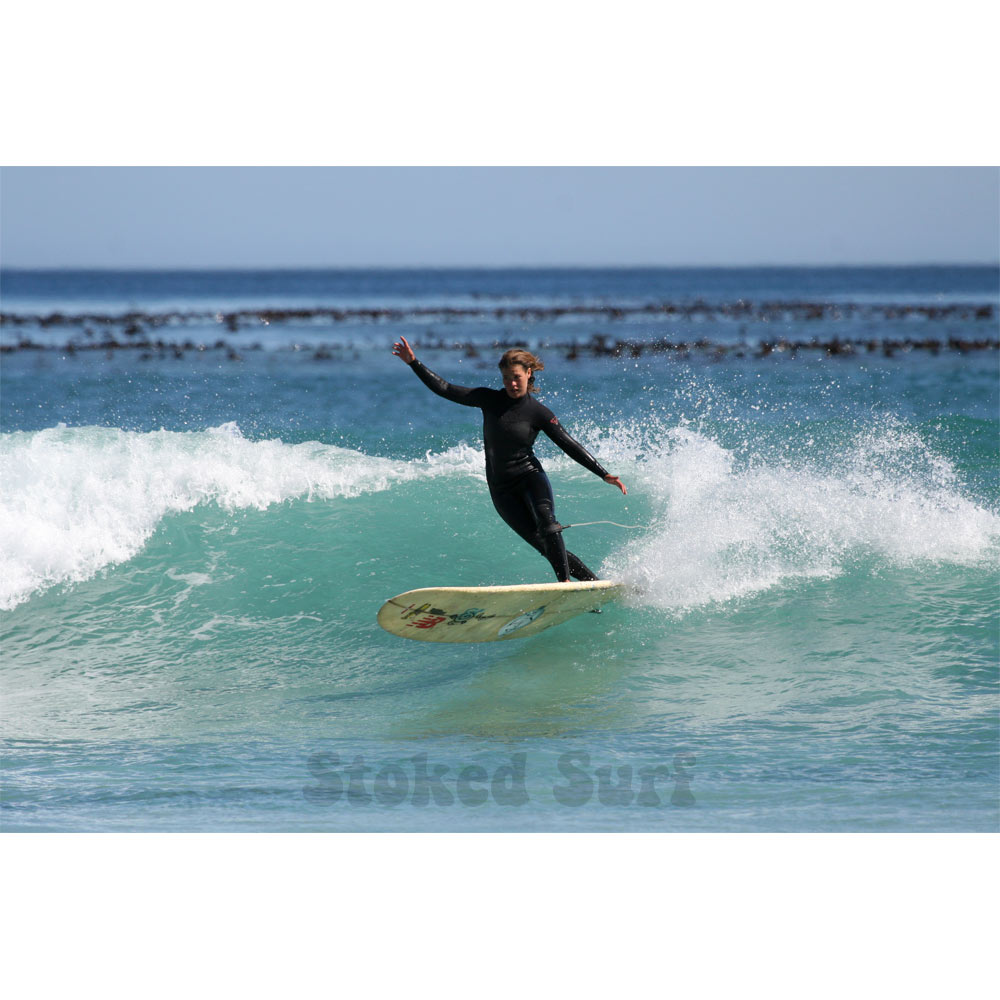
Style, Flow and South African Lines
People, Style
South Africa has a longboard culture that blends classic, traditional longboard surfing with high performance, which is food for an ongoing debate 😉





 Shopping Cart