

Surfing & Marine Conservation
Introduction
The ocean gives us everything – for anyone who spends time in the water, the health of the sea is not an abstract concept – it’s personal. Every session is a reminder of how connected we are to the natural world, and how fragile that balance has become. From a marine conservation viewpoint, Durban’s sewage spills to the plastic waste washing up along the Eastern Cape, to the mining and other threats to the West Coast, South Africa’s coastline tells a story of a majority who could care more by acting.
Surfers on the Frontline
Surfers see what many others miss. We spot the oil sheen near a harbour, the chemical dumps, the washed-up fishing net tangled in kelp, or the slick of stormwater after heavy rain. That perspective gives us an important role to play – as eyes and voices of the ocean.
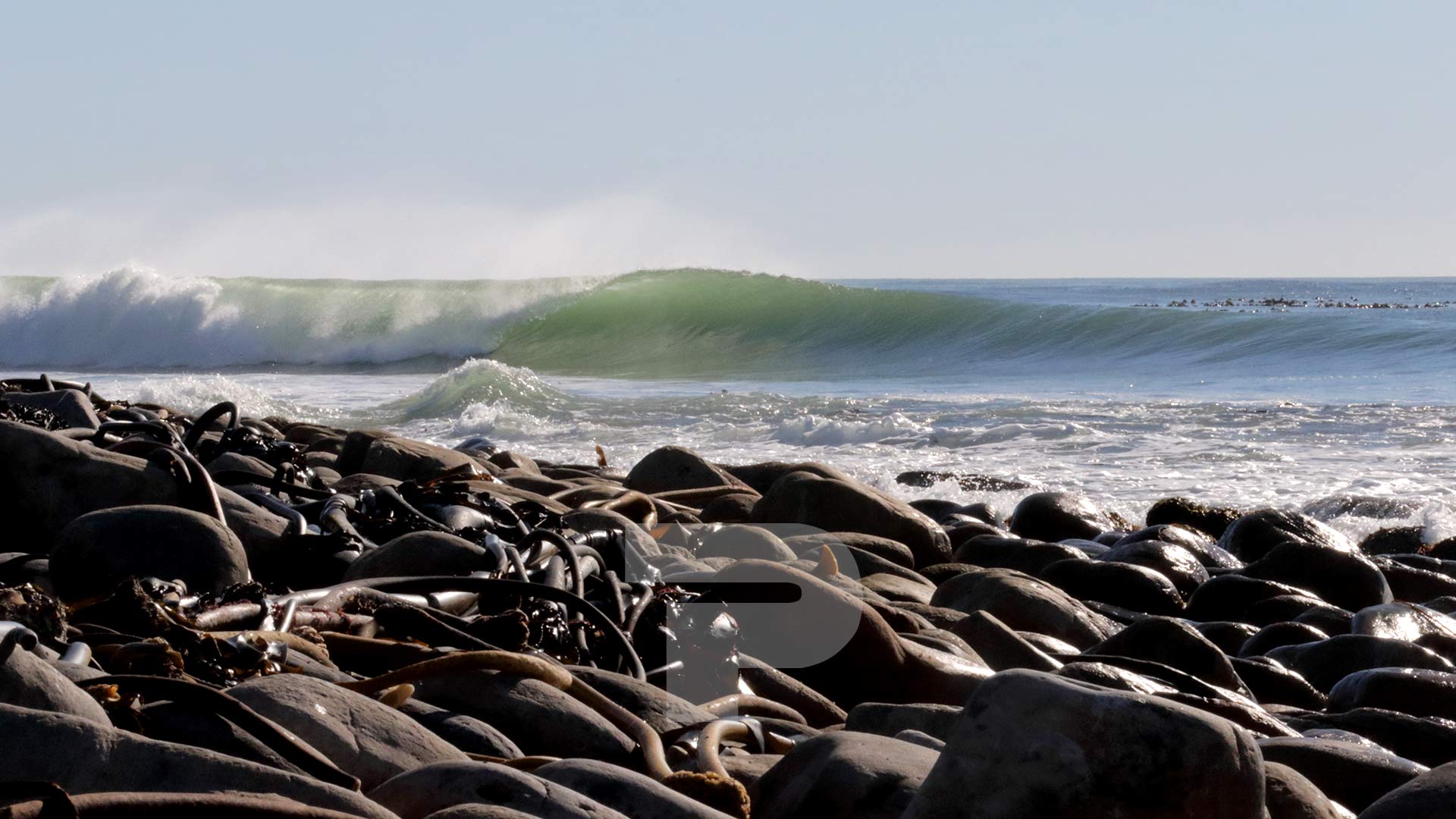
Across South Africa, small coastal communities are already stepping up. Local surf clubs have started regular beach clean-ups, like those in Muizenberg, Jeffreys Bay, and Scottburgh. The Surfrider Foundation, Waves for Change, and Parley for the Oceans all have local arms or partner groups that welcome volunteers. Joining one of these efforts turns a single surfer’s concern into collective action. Protect The West Coast is a good start.
The Power of Example
Every surfer influences others, even quietly. Choosing reef-safe sunscreen, refusing single-use plastics, and repairing boards instead of tossing them away all send a message. So does supporting board-builders who experiment with recycled EPS blanks, bio-resins, or hemp cloth instead of petroleum-based fiberglass.
By living the change we want to see, we nudge the entire surf culture forward – from “use and replace” to “protect and respect.” In fact, if we acted as one, the move would happen fast.
Protecting the Places We Love
South Africa’s marine protected areas (MPAs) safeguard critical ecosystems – reefs, kelp forests, and nursery zones that keep our ocean alive. Yet they often face illegal fishing, poor enforcement, and low public awareness. Surfers can help simply by learning where these zones are and spreading the word that they matter.
Imagine if every surfer who visits Elands Bay, Kommetjie, or the Wild Coast took a moment to educate a grom about respecting marine life or reported illegal dumping via local conservation hotlines. The ripple effect would be powerful.

Becoming a Guardian of the Sea
Being a “guardian” doesn’t require a cape or a foundation — it starts with noticing, caring, and acting. Here are a few easy ways to start:
Join a local clean-up or organize your own before or after a surf session.
Speak up when you see pollution, whether online or through local channels.
Choose gear wisely – from eco-board wax to recycled leashes and upcycled surf accessories.
Support coastal education – teach kids that the lineup is shared with dolphins, fish, and fragile reefs.
Travel consciously – offset your surf trips by giving back locally, not just scoring waves.
The Takeaway
The sea is generous. It teaches us much including patience, humility, and flow. We need to protect it. Whether you’re logging at Muizenberg, charging at Cave Rock, or gliding along a Wild Coast point, remember: surfers are not just wave riders — we’re part of the ocean’s defense team.
So… Breathe deep – and ask yourself what kind of guardian you want to be ♥
How Surfers Can Be Guardians of the Sea
Conservation
The ocean gives & gives. It’s only fair that we give something back.





 Shopping Cart